


The takeaway was clear: in 2026 SMEs will prioritise practical, incremental change over large, disruptive programmes. Sessions focused on improving existing systems, strengthening processes, preparing people for change and embedding AI into everyday work.
Below we highlight the key insights and 7 practical steps for finance teams in 2026, with commentary from our Partner, Adam Brodie.
What is digital transformation and how can it be used in finance?
Before exploring the digital transformation trends for 2026, it’s worth understanding the opportunity it presents for finance teams. Digital transformation is about leveraging technology, data, and innovative ways of working to make the finance function more efficient, accurate, and scalable.
This includes replacing manual, spreadsheet-driven processes with integrated, cloud-based systems, automating routine tasks, and embedding controls directly into financial operations. The result is a finance function that delivers faster, more reliable insights, supports strategic decision-making, and enables sustainable growth.
Why digital transformation needs a different approach in 2026
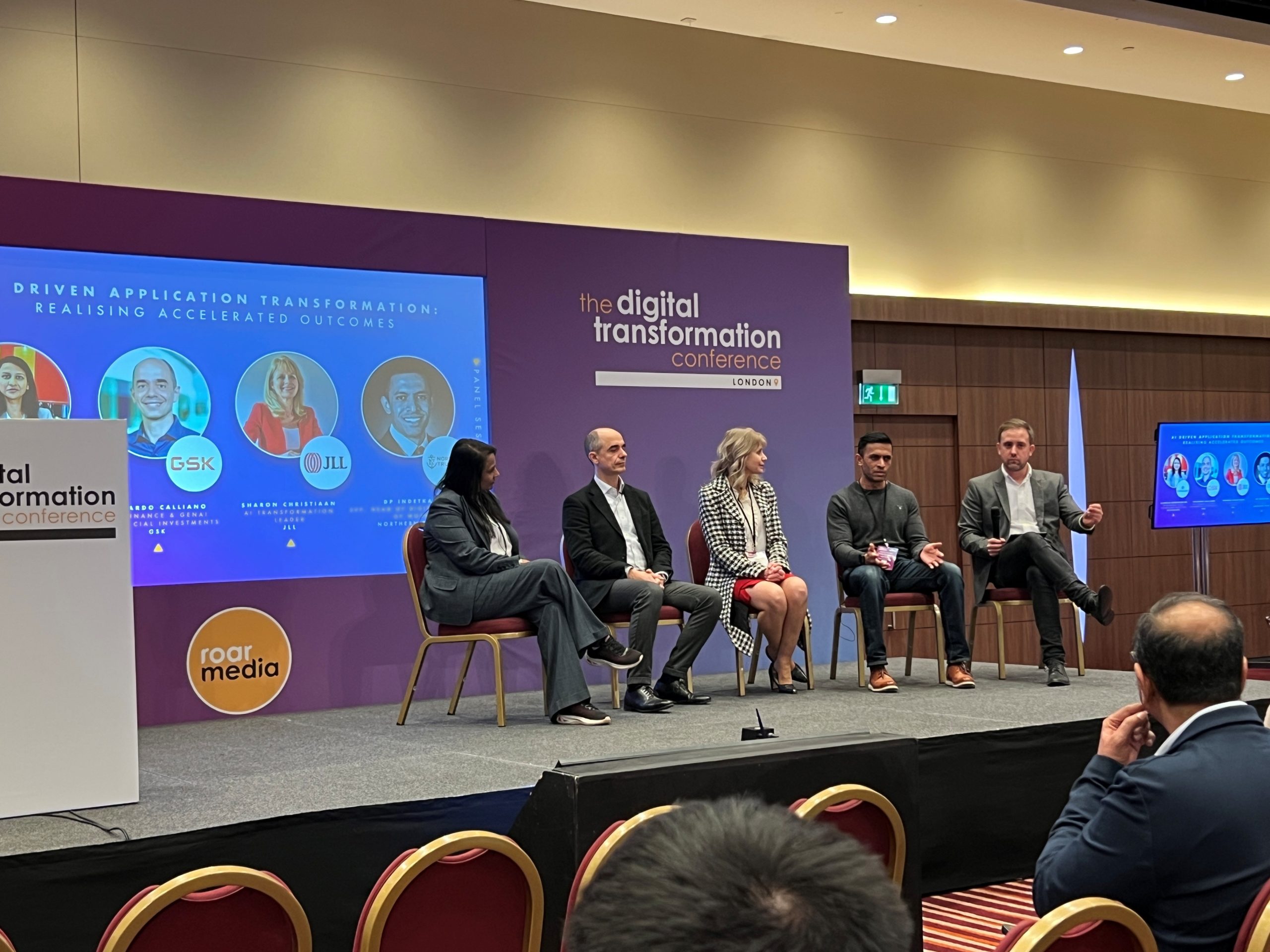 Over recent years, many organisations have struggled to achieve meaningful progress with digital transformation. The conference highlighted why:
- adoption challenges often outweigh technical challenges
- users revert to spreadsheets when tools are difficult to use
- poor data foundations limit what AI can deliver
- “technology for technology’s sake” creates complexity, not value
As one speaker noted, “Less is more — start with one problem and solve it well.”
“In reality, there are often multiple technology solutions available to address the same business need. The challenge is not the lack of options, it is identifying the one that is practical from a cost, time and delivery perspective. The most effective transformations focus on the solution that genuinely works for the business, rather than trying to implement everything at once.”
This emphasis on focus and clarity set the tone for the rest of the day.
Practical steps businesses should prioritise in 2026
1. Start with people, not technology
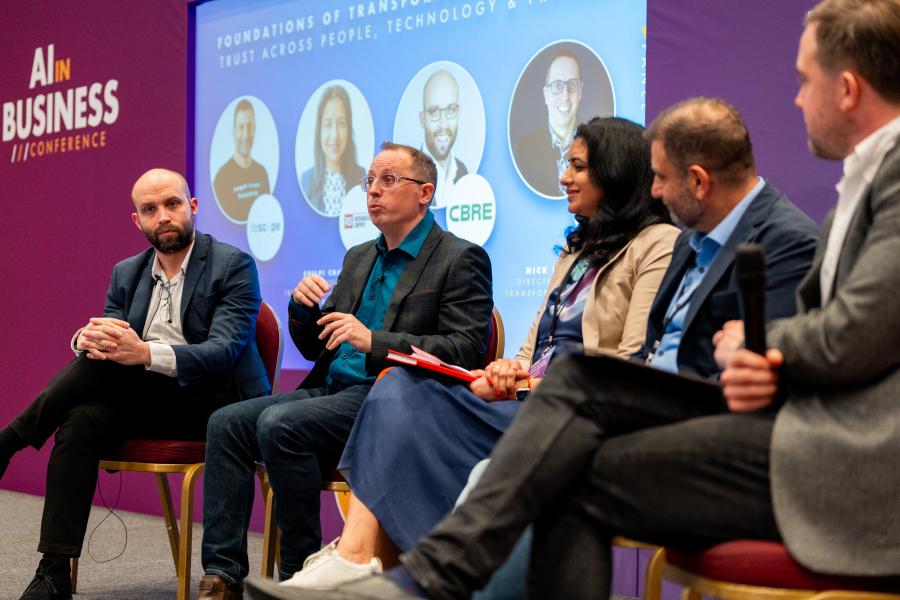 A recurring theme was that successful transformation starts with people. Leaders were encouraged to:
- communicate openly about goals, risks and benefits
- create space for teams to test and learn
- celebrate small gains rather than wait for big milestones
- involve employees early in shaping new processes
One speaker captured it simply:
“People don’t trust new technology until they can see it, test it, and understand why it matters.”
“Technology only delivers value when it supports people and improves the client experience. Leaders have a key role in guiding IT and technology teams to focus on what the business and its clients actually need. Strong onboarding, clear communication and responsiveness in the early stages are often what turn a new client into a long-term advocate.”
2. Improve existing systems instead of replacing them
Rather than replace legacy systems, many organisations are now improving them with AI and automation. This approach offers a practical and cost-effective path to progress.
- AI translation tools layered on top of existing platforms
- automated invoice or document extraction reaching over 90% accuracy
- small AI processes that remove low-value manual work
As one speaker summarised:
“Don’t try to fix everything at once — make the systems you already have work better.”
3. Simplify your tech stack to avoid overload
Several speakers highlighted the problems created by having too many digital tools, with some organisations using more than ten collaboration platforms and multiple CRMs.
“Complexity creates friction for both teams and clients. When systems are overcomplicated or processes involve too much back and forth, engagement suffers. Simplifying tools and workflows makes it easier for people to do their jobs well and helps maintain consistent service levels.”
4. Make user experience a core requirement
- assess how intuitive current tools are
- involve users in the design of new workflows
- prioritise simplicity in procurement decisions
“If the user experience is poor, people will always go back to spreadsheets.”
5. Focus on data quality before scaling AI
- clean existing datasets
- create clear ownership for data quality
- align teams on consistent definitions
- establish single sources of truth
6. Strengthen basic security and identity management
Cybersecurity remains a foundation of all digital transformation steps. Speakers encouraged organisations to strengthen the basics by moving towards single sign-on, reducing reliance on passwords and ensuring consistent identity management across all tools.
“Security needs to be front and centre of any digital transformation project. A well-designed system will not only fail but become a significant risk to the business if security is not built in from the outset.”
7. Build practical AI adoption into daily work
- summarising long documents
- streamlining reporting steps
- automating basic pattern recognition
- supporting decision-making
A simple framework to support digital transformation in 2026
A helpful model discussed in the People & Culture stage was:
get ready → get set → go
| Stage | Focus | Examples of actions |
| Get ready | Prepare leaders and mindset | Understand tools, set priorities, align teams |
| Get set | Prepare teams and processes | Pilot improvements, tidy data, simplify access |
| Go | Deliver and scale | Implement gradually, monitor performance, refine |
This structure aligns with the conference’s most consistent message: transformation works best when it is iterative and human-centred.
What this means for businesses preparing for 2026
- Focus on people, trust and communication
- Improve existing systems before major replacements
- Simplify digital tools to support adoption
- Improve data and user experience before scaling AI
- Embed AI in small, practical ways
“Digital transformation isn’t a project — it’s a habit.”
How we can support you in 2026
Through our merger with scale-up and high-growth specialists Finerva, we offer clients expert advice and hands-on support with digitally transforming their finance functions.
From modernising financial systems to strengthening processes and controls, we help ambitious organisations build scalable, insight-driven finance operations that support sustainable growth.

Adam specialises in supporting high-growth scale-ups and technology firms.