

Recent UK Trade Agreements
EU–UK Trade and Cooperation Agreement (TCA)
Although the UK is no longer part of the EU Single Market, the TCA maintains preferential access between the two partners for many goods. Tariffs can be avoided, but only if products meet the Rules of Origin (ROO) requirements.
Businesses should therefore review the origin of components and processes across their supply chain, as some items may no longer qualify as “UK origin” even if final assembly is done domestically.
Asia-Pacific Mega Bloc (CPTPP Membership)
The UK’s entry into the Comprehensive and Progressive Agreement for Trans-Pacific Partnership (CPTPP) marks one of its largest trade agreements in recent years.
Why it matters:
- It significantly improves market access across a fast-growing region.
- Modern digital trade rules simplify data flows and e-commerce.
- The agreement recognises final assembly in the UK, allowing companies to bring components from multiple countries and still benefit from preferential tariffs.
However, businesses with US-linked supply chains should be mindful of local US tariffs, which may affect cost structures even when trading via CPTPP markets.
UK–Australia and UK–New Zealand Agreements
These agreements are particularly advantageous for agri-food, beverages and consumer goods, offering reduced tariffs and smoother customs procedures.
They also remove several non-tariff barriers, making these markets more attractive for brands seeking to expand into high-income consumer regions.
Africa’s Continental Free Trade Landscape
Africa is home to the world’s largest free trade membership through the African Continental Free Trade Area (AfCFTA).
Combined with the UK’s ongoing dialogue and continuity agreements with multiple African nations, the continent represents a high-potential market for exporters in agriculture, manufacturing, renewable energy and digital services.
What you should consider when expanding internationally

1. Map your Rules of Origin (ROO)
ROO determine whether your goods qualify for preferential tariff rates under an FTA.
A PIP (Product Information Portfolio) can help by clearly showing:
- Where each component originates
- Where value is added
- Whether the finished product meets ROO thresholds
Example: If you buy fabric from the EU and manufacture a finished garment in the UK, but 60% of the product originates in the EU, it may not qualify as UK-origin under certain FTAs. This means it could face typical (non-preferential) tariffs when sold to countries like the US.
2. Consider services, not just goods
FTAs increasingly include chapters on services. If your business provides digital, professional, tech or consultancy services, you may need to plan for:
- Talent mobility and visas
- Data transfer and cybersecurity requirements
- Local partnerships or licensing
- Technology infrastructure in target markets

3. Review supplier relationships carefully
You may identify opportunities to diversify suppliers to strengthen ROO compliance. However, changing longstanding supplier arrangements may be difficult or risky. Undertake cost–benefit analysis before restructuring your supply chain.
4. Prepare for non-tariff barriers
Beyond customs duties, each market has its own rules for:
- Product safety and standards
- Certifications
- Packaging and labelling
- Environmental compliance
These requirements can add cost and time, so build them into your expansion plan early.
5. Plan for volatility and disruption
Global trade is increasingly prone to disruption – from the pandemic to the Suez Canal blockage. Build resilience by:
- Running scenario planning exercises
- Stress-testing inventory and logistics
- Ensuring you can quickly re-route shipments or switch suppliers when necessary
6. Leverage Freeports
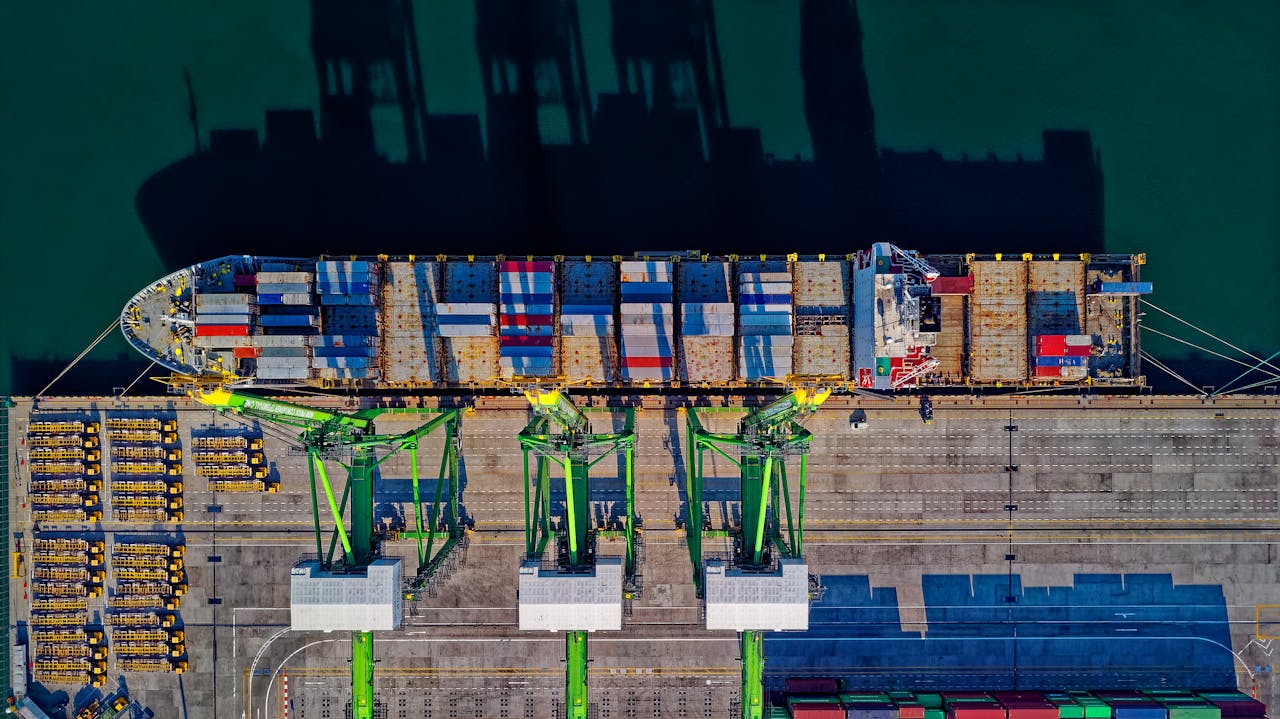
Freeports offer favourable customs and tax rules, such as tariff suspension and simplified procedures. Using freeports at home or abroad can reduce costs and accelerate distribution.
7. Explore financing options
Some banks now offer post-maturity or supply-chain financing, enabling you to receive payment on the day of invoicing. This can significantly ease cash-flow constraints associated with exporting and long shipping times.
8. Digitise for speed and scale
Digital tools – such as automated compliance checks, e-invoicing, customs platforms and supply-chain visibility software – can streamline global operations and reduce the administrative burden of cross-border trade.
Ready to expand internationally? We can help
We are members of the Praxity Alliance, the world’s largest alliance of independent accounting firms. This global alliance allows us to connect clients with trusted advisors in more than 120 countries, ensuring you receive local support – wherever your expansion takes you.
Contact us to discuss how we can support your international business growth.

Award-winning chartered accountants offering tax, audit and advisory services.